Chaos as Currency: How Sharp Bettors Are Turning Crypto Flash Crashes Into On-Chain Wins
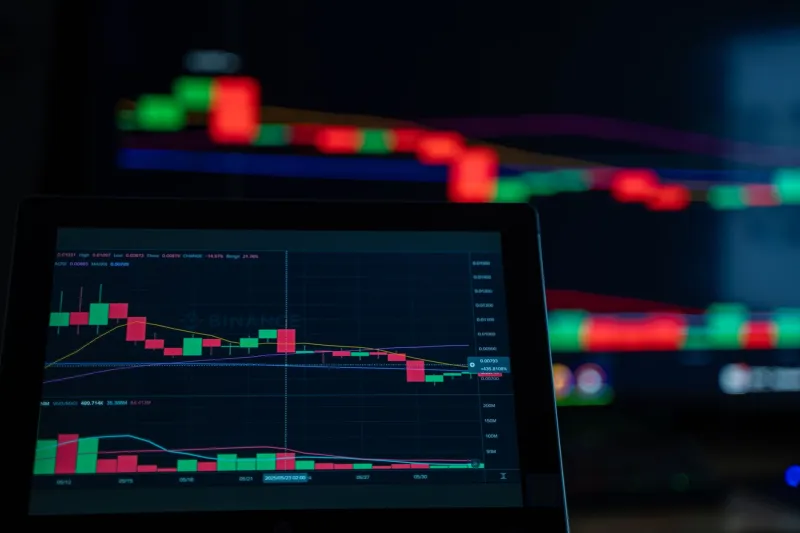
Most people see a flash crash and do one thing: flinch. Their portfolio dips 18% in four minutes, their stomach drops, and they start refreshing price charts like that's going to help. But there's a different kind of player out there—one who sees that same moment of market mayhem and immediately starts thinking about opportunity.
On decentralized betting platforms, volatility isn't just background noise. For the sharp bettor who understands how on-chain odds actually work, a flash crash can be the most profitable four minutes of their week.
Let's break down why that is—and what you need to know before you try to play it yourself.
What Actually Happens During a Flash Crash
A flash crash is exactly what it sounds like: a sudden, violent price drop that happens faster than most humans can process it. In crypto, these events are almost routine. We've seen ETH lose 30% of its value in under an hour. We've watched stablecoin pegs wobble in real time. Liquidation cascades on leveraged positions can trigger chain reactions that move markets in ways nobody predicted.
The cause is usually some combination of thin liquidity, automated sell orders, and momentum trading bots all feeding off each other. It's messy, fast, and—if you're positioned right—potentially very useful.
Traditional sportsbooks are not built for this environment. Their odds are set by humans or algorithms that update on a delay. When something wild happens in the broader market—say, a major crypto asset tanks while a big sporting event is in play—those books can't reprice fast enough to reflect reality. Their response is usually to do nothing, or worse, suspend markets entirely to protect themselves.
Decentralized platforms work differently. And that difference matters a lot.
How On-Chain Odds Respond in Real Time
On a blockchain-based betting platform, odds aren't set by a team of traders sitting in an office somewhere. They're determined by smart contracts that respond directly to liquidity conditions, market inputs, and participant activity. When the underlying crypto market moves sharply, the on-chain environment adjusts—sometimes almost instantly.
Think of it like a decentralized exchange (DEX) compared to a centralized one. On a DEX, prices shift with every trade because the liquidity pool rebalances automatically. Decentralized betting works on a similar principle. The odds you see are a function of what's in the pool and what bettors are doing with it—not what some risk manager decided to post that morning.
This creates windows. Brief, sometimes blink-and-you'll-miss-them windows where the odds available on-chain reflect a market reality that's moving faster than the consensus has caught up to. Sharp players who understand this dynamic—and who are watching closely—can place bets that effectively lock in value before equilibrium is restored.
Real Scenarios Where This Plays Out
Let's ground this in something concrete. Imagine ETH flash crashes hard during a Sunday NFL slate. On a centralized sportsbook, nothing changes. The lines stay where they are. The book might even pause withdrawals or deposits if things get chaotic enough. You're essentially locked out of reacting to the moment.
On an on-chain platform, a few things might happen simultaneously. The liquidity in certain betting pools could thin out as participants pull back. Odds on specific markets might shift in ways that create temporary arbitrage-like opportunities. And because everything is settling in crypto, the value of what you're wagering with is itself part of the equation.
Another scenario: a sudden stablecoin depeg event. These are rarer but dramatic when they happen. In March 2023, USDC briefly lost its dollar peg following the Silicon Valley Bank collapse. For a few hours, the crypto market was in genuine chaos. Anyone with dry powder in a different asset and access to on-chain platforms was operating in a completely different landscape than the average bettor using a traditional app.
These aren't hypotheticals. They're the kinds of moments that decentralized bettors talk about the way poker players talk about a particularly wild hand—as case studies in reading a room that most people didn't even know they were in.
The Strategy Layer: What Sharp Players Are Actually Doing
So how do experienced on-chain bettors actually approach these moments? A few patterns show up consistently.
Staying liquid and alert. The bettors who capitalize on flash crashes aren't scrambling to move funds when things go sideways. They're already positioned. They keep a portion of their bankroll in assets that can be deployed quickly, and they're monitoring market conditions even when they're not actively betting.
Understanding pool dynamics. On decentralized platforms, knowing how liquidity pools work gives you an edge. When a pool gets thin—meaning fewer participants and less capital on one side—odds can shift more dramatically. That's either a warning sign or an invitation, depending on your read of the situation.
Timing entries around volatility spikes. Some players specifically watch for high-volatility periods and treat them as optimal entry windows. The logic is simple: when markets are moving fast, pricing inefficiencies multiply. Not all of them are exploitable, but enough of them are that it pays to be paying attention.
Hedging across platforms. Sophisticated bettors sometimes place positions on multiple platforms simultaneously—using centralized books where lines haven't moved and on-chain platforms where they have. This is the decentralized betting version of line shopping, turbocharged by market volatility.
The Risks Are Real—Don't Skip This Part
None of this comes without serious caveats, and if you're newer to on-chain betting, these deserve your full attention.
Flash crashes are unpredictable by definition. The same volatility that creates opportunity can destroy your position if you're on the wrong side of it. Liquidity can dry up right when you need it most. Smart contracts, while transparent, are not infallible—bugs and exploits happen, and there's no customer support line to call when they do.
There's also the tax angle. In the US, crypto gains—including winnings from on-chain betting—are taxable events. The IRS doesn't care that the market was moving fast. Keep records. Talk to a tax professional who understands crypto.
And honestly? The players who profit from flash crashes consistently aren't doing it by luck. They've spent serious time understanding how these platforms work at a mechanical level. If you're still getting comfortable with how on-chain betting functions in normal conditions, jumping into volatility plays is probably not your next move.
Why This Edge Won't Exist Forever
Here's the thing about edges in any market: they close. As more capital and more sophisticated players enter the decentralized betting space, the windows that flash crashes create will get smaller and fill faster. The bettors who are profiting from this dynamic right now are doing so partly because they got there early.
That's not a reason to stay on the sidelines—it's a reason to get educated now, while the learning curve is still worth climbing. Understanding how on-chain odds work, how liquidity affects pricing, and how market events ripple through decentralized platforms is knowledge that will compound over time, regardless of what the market does next.
The chaos isn't going anywhere. The question is whether you're watching it or working it.