Dollar Signs on a Fault Line: The Hidden Risks Lurking Inside Your Stablecoin Bets
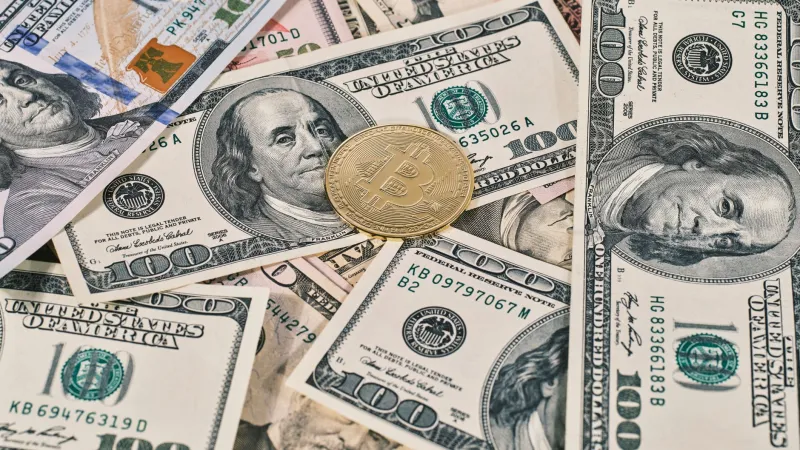
There's a comfortable fiction that a lot of crypto bettors tell themselves: I'm using stablecoins, so I'm not really exposed to volatility. It's an understandable belief. You swap into USDC, place your wagers, and mentally treat the whole thing like you've got cash sitting in a checking account. Safe. Boring. Predictable.
Except stablecoins aren't checking accounts. And the gap between what they feel like and what they actually are has cost bettors — and investors — billions of dollars in some of the most chaotic financial events of the last five years.
If you're wagering on decentralized platforms, understanding stablecoin risk isn't optional trivia. It's basic bankroll hygiene.
What a Depeg Actually Looks Like in Real Time
A depeg is exactly what it sounds like: the stablecoin stops being stable. Instead of trading at $1.00, it drifts — or in catastrophic cases, collapses — to something much lower.
The most dramatic example in recent memory is TerraUSD (UST), which imploded in May 2022. UST was an algorithmic stablecoin, meaning it didn't hold actual dollars in reserve — it used a complex mechanism involving its sister token LUNA to maintain its peg. When confidence cracked, the whole system unraveled in a death spiral that took UST from $1.00 to fractions of a cent within days. Tens of billions of dollars in value evaporated. People who had parked their betting bankrolls in UST because it "felt safe" watched those funds essentially cease to exist.
Now, USDC and USDT are different beasts — they're backed by actual reserves rather than algorithmic magic. But that doesn't make them bulletproof.
In March 2023, USDC briefly depegged to around $0.87 after Silicon Valley Bank — where Circle (USDC's issuer) held a portion of its reserves — collapsed over a weekend. The coin recovered once regulators stepped in to backstop SVB depositors, but for a tense 48-hour stretch, anyone holding USDC was sitting on an asset worth significantly less than a dollar. If you had open betting positions during that window, your effective bankroll shrank without you placing a single bad wager.
The Regulatory Wildcard
Here's the thing about stablecoins that doesn't get discussed enough in betting circles: they are currently one of the hottest targets for US regulators, and regulatory action can move prices fast.
The SEC, the CFTC, and Congress have all taken swings at stablecoin issuers in recent years. Tether (USDT) has been operating under a cloud of scrutiny for most of its existence, facing questions about whether its reserves are actually what it claims. A forced audit, a consent order, or an enforcement action against a major issuer could trigger a depeg event with very little warning.
For on-chain bettors specifically, this matters because you often can't exit a position instantly. Smart contracts have settlement windows. Liquidity pools can dry up. If bad news drops at 2 a.m. on a Sunday and you've got funds locked in an active bet, you may not be able to do anything about it until the damage is done.
Smart Contract Risk: The Risk Nobody Talks About
Even if the stablecoin itself holds its peg perfectly, the smart contracts handling your bets are their own attack surface.
Decentralized betting platforms rely on code to hold and release funds. That code can have bugs. It can have exploitable logic flaws. And in DeFi, when a contract gets exploited, there's no customer service line to call — funds are typically gone for good.
The Ronin Network hack in 2022 drained over $600 million. The Wormhole bridge exploit cost $320 million. These weren't obscure projects — they were widely used, reasonably well-audited platforms. The audit trail for many betting-specific smart contracts is far thinner.
When you deposit stablecoins into a decentralized betting platform, you're trusting both the stablecoin's peg and the contract's security simultaneously. That's a layered risk that most bettors mentally collapse into a single "it's just dollars" assumption.
What to Actually Watch
So how do you protect yourself without abandoning on-chain betting entirely? A few practical habits go a long way.
Monitor peg data, not just prices. Tools like DeFiLlama and CoinGecko both track stablecoin prices in real time. Set a mental alarm — if a stablecoin you're using drops below $0.995, that's worth paying attention to. If it drops below $0.98, that's a red flag.
Diversify across stablecoin types. Holding all your betting bankroll in a single stablecoin concentrates your exposure. Splitting between USDC, USDT, and DAI (which is decentralized and overcollateralized) creates some natural hedging.
Understand the reserve backing. Before using a stablecoin heavily, spend five minutes reading what actually backs it. Is it cash and T-bills? Corporate paper? Crypto collateral? Algorithmic mechanics? The further from cash, the more risk you're carrying.
Pay attention to macro news. Bank failures, regulatory announcements, and Congressional hearings can all move stablecoin prices. If there's major financial news breaking, it's worth checking your on-chain positions before you go to sleep.
Keep active bankroll separate from reserves. Don't keep your entire roll locked in a single platform's contract. Only deposit what you're actively using, and keep the rest in a self-custody wallet where you control the keys.
The Bottom Line
Stablecoins are genuinely useful tools for on-chain betting. They let you participate in crypto-native platforms without being fully exposed to BTC or ETH price swings, and they make settlement cleaner and faster than fiat ever could.
But they are not dollars. They are financial instruments that track dollars — most of the time, under most conditions. The gap between "most of the time" and "always" is where bankrolls go to die.
At Nois.bet, we think the decentralized betting ecosystem represents something genuinely better than what legacy sportsbooks offer. But better doesn't mean risk-free. Knowing exactly what you're holding, and why it might not hold its value, is the kind of edge that separates disciplined bettors from the ones who get caught flat-footed when the fault line finally shifts.