NIL Cash, Portal Chaos, and Prop Bets: How On-Chain Markets Are Pricing College Football’s 2026 Circus
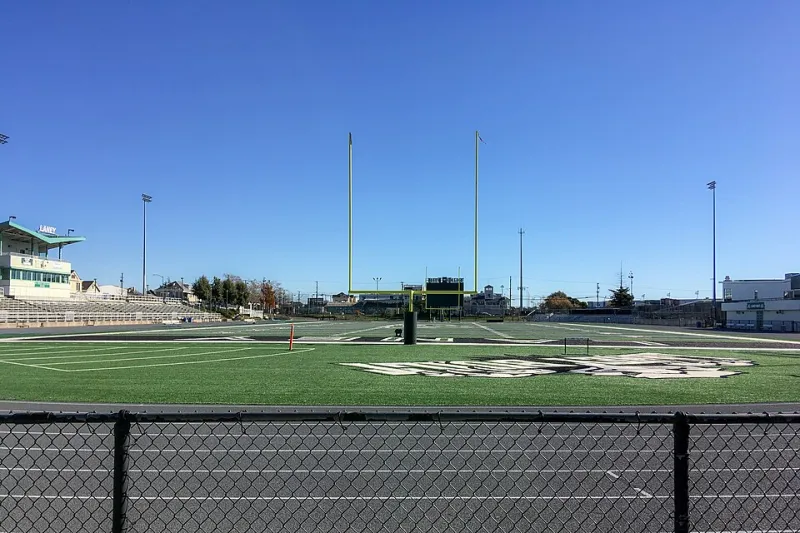
Photo: Clyde Charles Brown, CC BY-SA 4.0, via Wikimedia Commons
NIL Cash, Portal Chaos, and Prop Bets
College football’s 2026 season has been a masterclass in information overload. Name, image, and likeness deals have turned depth charts into business stories. The transfer portal reshapes rosters in weeks, not years. Player props are everywhere, and on-chain betting markets react to every credible injury report, beat-writer tweet, and anonymous message-board leak.
That speed is the appeal. It is also the trap. Decentralized markets do not magically produce better information; they just let liquidity respond to it faster. For US bettors, the job is to figure out which college football news is real, which is stale, and which is someone’s attempt to move a thin market.
The New College Football Economy Is a Data Firehose
NIL collectives and revenue-sharing arrangements mean a quarterback’s endorsement schedule can be as relevant as his practice reps. A star receiver’s brand deal does not change the point spread, but it can change snap counts, target share, and how a coaching staff manages a nagging injury. Transfer-portal additions create role uncertainty that traditional preseason projections never had to price.
On-chain markets handle this by updating continuously. Liquidity providers and bots watch public injury reports, official team announcements, and social feeds. When a starting running back is ruled out, player-prop markets can reprice before a casual bettor finishes reading the headline. That is not unfair. It is the market doing what markets do.
How On-Chain Odds React to News
Watch a college football prop market during a Friday news dump. A credible report that a receiver is limited in practice can move a receiving-yards line quickly. A vague “source says he might play” post can move it too — sometimes more. The difference is that the second move often reverses when official warmups arrive.
Thin markets make this worse. College props do not have the depth of NFL markets, and on-chain liquidity can be especially shallow at odd hours. A single sizeable bet or a coordinated burst of social posts can create a price that looks like information but is really just a wobble. Check the order book, the last trade time, and whether the move happened on one venue or across several.
Player Props Are the Wild West
College football has never had the NFL’s clean injury-report culture. Coaches speak in riddles. Players disappear from box scores for reasons that are never fully explained. NIL obligations and portal politics can affect availability in ways that are not listed on a traditional report.
That makes player props both attractive and dangerous. The edge goes to bettors who track official team releases, practice reports, and credible beat writers — then wait for confirmation. Chasing every “insider” post is how you end up on the wrong side of a line that was never real to begin with.
The Manufactured Hype Problem
On-chain transparency tells you how a market moved. It does not tell you why. A wallet that buys a rookie receiver’s over before a rumor hits may be sharp, lucky, or part of the rumor. Do not assume every large on-chain bet is informed money. Sometimes it is engagement farming with a wallet attached.
Cross-check the claim. Who reported it? Does the team’s official account corroborate? Do multiple credible outlets agree? If the only source is a screenshot of a text message, treat it as entertainment, not evidence.
A Practical Read for US Bettors
First, know your state rules. College sports betting legality varies, and a decentralized platform does not erase state law. Second, verify before you react. Third, check liquidity before you size up; a great read on a thin market can still be a bad bet. Fourth, track closing lines. If your information was real, it should still look real an hour later.
College football in 2026 is a loud, fast, weird economy. The bettors who do best will not be the ones who click fastest on every leak. They will be the ones who know which leaks are worth believing.